 English
 Español
  Português
  русский
  Français
  日本語
日本語  Deutsch
  tiếng Việt
  Italiano
  Nederlands
  ภาษาไทย
  Polski
  한국어
한국어  Svenska
  magyar
  Malay
Malay  বাংলা ভাষার
  Dansk
Dansk  Suomi
Suomi  हिन्दी

Why Is a Cloth Cutting Machine Essential for Modern Garment Manufacturing and Textile Production
In today's highly competitive textile and apparel industry, efficiency, precision, and productivity are more important than ever. As a professional manufacturer of cutting solutions, JIABEI TOOL provides advanced Cloth Cutting Machine solutions designed to help garment factories, textile workshops, leather processors, and fabric manufacturers achieve cleaner cuts, faster production speeds, and lower operational costs. Whether handling woven fabrics, knitted textiles, denim, leather, or synthetic materials, choosing the right cloth cutting machine can significantly improve production quality and overall profitability.
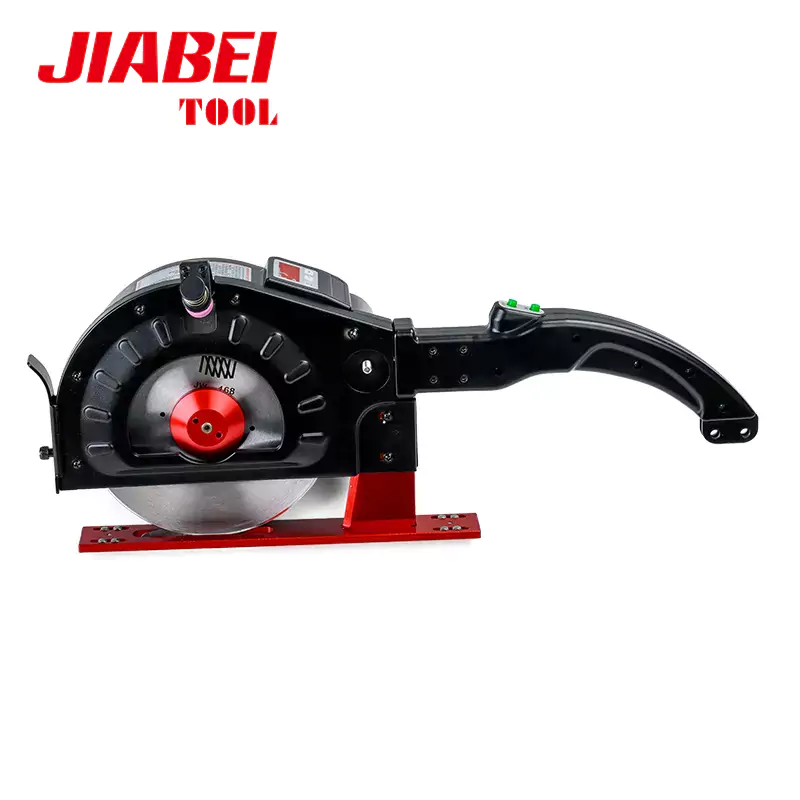
Table of Contents
- What Is a Cloth Cutting Machine?
- How Does a Cloth Cutting Machine Work?
- Major Types of Cloth Cutting Machines
- Applications Across Industries
- Key Benefits of Using a Cloth Cutting Machine
- Important Features to Consider
- Comparison of Different Cutting Machines
- How to Choose the Right Machine
- Maintenance and Safety Tips
- Future Trends in Fabric Cutting Technology
- Frequently Asked Questions
What Is a Cloth Cutting Machine?
A cloth cutting machine is a specialized industrial tool designed to cut fabric materials accurately and efficiently. Unlike manual scissors or hand knives, modern cutting machines deliver consistent cutting quality while dramatically reducing labor intensity.
These machines are widely used in garment manufacturing, textile processing, upholstery production, automotive interiors, leather goods manufacturing, and home furnishing industries.
The primary objective of a cloth cutting machine is to maximize cutting accuracy while minimizing material waste. This directly contributes to improved productivity and reduced production costs.
How Does a Cloth Cutting Machine Work?
A cloth cutting machine operates by using a motor-driven blade or cutting mechanism to slice through one or multiple layers of fabric. Depending on the machine type, the cutting action may involve:
- Reciprocating straight blades
- Rotating circular blades
- Servo-controlled automatic cutters
- Computerized CNC cutting systems
- Laser cutting technology
The operator positions the fabric according to the cutting pattern, and the machine performs precise cuts following predetermined guidelines or digital design files.
Advanced systems can automatically optimize nesting layouts, reducing material waste while increasing production efficiency.
Major Types of Cloth Cutting Machines
Straight Knife Cutting Machine
Straight knife cutters are among the most common machines in garment factories. They can cut multiple layers of fabric simultaneously and are ideal for large-scale production.
Round Knife Cutting Machine
Round knife cutters use a rotating circular blade and are suitable for lightweight fabrics and curved cutting applications.
Automatic Cloth Cutting Machine
Computer-controlled systems improve cutting speed, consistency, and automation while reducing labor costs.
CNC Fabric Cutting Machine
CNC systems offer exceptional precision and are suitable for complex cutting patterns and mass production environments.
Laser Cloth Cutting Machine
Laser technology provides non-contact cutting with extremely fine edge quality and minimal material distortion.
Applications Across Industries
Cloth cutting machines are essential in numerous sectors:
- Garment manufacturing
- Fashion production
- Textile processing plants
- Furniture upholstery
- Automotive interior manufacturing
- Leather goods production
- Footwear manufacturing
- Home textile production
- Industrial fabric processing
Their versatility makes them one of the most valuable pieces of equipment in modern textile production facilities.
Key Benefits of Using a Cloth Cutting Machine
Improved Productivity
Machine cutting significantly increases output compared to manual methods. Factories can process larger orders within shorter production cycles.
Enhanced Cutting Accuracy
Precise cutting reduces dimensional errors and ensures consistent product quality across production batches.
Reduced Material Waste
Accurate cutting minimizes fabric loss and improves material utilization rates.
Lower Labor Costs
Automation reduces dependence on manual cutting labor while improving operational efficiency.
Better Product Quality
Uniform cutting results contribute to improved garment assembly and final product appearance.
Important Features to Consider
When evaluating a cloth cutting machine, buyers should focus on the following features:
- Motor power
- Maximum cutting thickness
- Blade quality
- Cutting speed
- Precision level
- Safety mechanisms
- Maintenance requirements
- Automation capabilities
- Energy efficiency
- Machine durability
For professional textile operations, selecting equipment from experienced manufacturers such as JIABEI TOOL Cloth Cutting Machine Solutions can provide long-term reliability and technical support.
Comparison of Different Cutting Machines
| Machine Type | Precision | Production Speed | Suitable Materials | Automation Level |
|---|---|---|---|---|
| Straight Knife Cutter | High | High | Multi-layer Fabrics | Low |
| Round Knife Cutter | Medium | Medium | Lightweight Fabrics | Low |
| Automatic Cutter | Very High | Very High | Various Textiles | High |
| CNC Cutter | Excellent | Very High | Complex Materials | Very High |
| Laser Cutter | Excellent | High | Synthetic Fabrics | Very High |
How to Choose the Right Machine
Choosing the ideal cloth cutting machine depends on several operational factors:
Production Volume
Factories with large daily output should prioritize automated or CNC cutting systems.
Material Type
Different fabrics require different blade technologies and cutting methods.
Budget Planning
Balance initial investment with long-term productivity gains and operational savings.
Future Expansion
Investing in scalable technology allows businesses to adapt to future production growth.
Technical Support
Reliable after-sales service and spare parts availability are critical considerations.
Maintenance and Safety Tips
Regular maintenance extends machine lifespan and ensures consistent performance.
- Inspect blades regularly
- Replace worn cutting components promptly
- Lubricate moving parts as recommended
- Clean dust and fabric debris daily
- Check electrical connections periodically
- Train operators on safety procedures
- Use appropriate protective equipment
A well-maintained machine not only improves efficiency but also reduces downtime and repair costs.
Future Trends in Fabric Cutting Technology
The textile industry continues to evolve rapidly, and cloth cutting technology is advancing alongside it.
Several emerging trends are shaping the future:
- AI-powered cutting optimization
- Smart factory integration
- IoT-enabled machine monitoring
- Fully automated production lines
- Energy-efficient cutting systems
- Advanced digital pattern management
- Sustainable manufacturing solutions
Manufacturers embracing these innovations can achieve greater competitiveness, productivity, and sustainability.
Frequently Asked Questions
What fabrics can a cloth cutting machine cut?
Most cloth cutting machines can process cotton, polyester, denim, silk, leather, canvas, nonwoven materials, and many industrial textiles.
How much does a cloth cutting machine improve efficiency?
Depending on production volume and machine type, efficiency improvements can range from 50% to several hundred percent compared with manual cutting methods.
Is an automatic cutting machine worth the investment?
For medium to large-scale manufacturers, automatic systems often provide substantial long-term savings through improved productivity, precision, and reduced labor costs.
How often should blades be replaced?
Blade replacement frequency depends on material type, operating hours, and production intensity. Regular inspections are recommended.
Can cloth cutting machines reduce fabric waste?
Yes. Advanced cutting technologies and optimized pattern layouts can significantly improve material utilization rates and reduce waste.
Conclusion
A modern cloth cutting machine is far more than a simple cutting tool—it is a strategic investment that directly impacts productivity, quality, efficiency, and profitability. From garment factories to industrial textile manufacturers, businesses that adopt advanced cutting technology can gain a significant competitive advantage in today's demanding market. If you are looking for reliable, high-performance fabric cutting solutions tailored to your production requirements, contact us today. The experienced team at JIABEI TOOL is ready to help you find the ideal cloth cutting machine to optimize your manufacturing process, improve output quality, and support your long-term business growth.
Send Inquiry


X
We use cookies to offer you a better browsing experience, analyze site traffic and personalize content. By using this site, you agree to our use of cookies.
Privacy Policy