 English
 Español
  Português
  русский
  Français
  日本語
日本語  Deutsch
  tiếng Việt
  Italiano
  Nederlands
  ภาษาไทย
  Polski
  한국어
한국어  Svenska
  magyar
  Malay
Malay  বাংলা ভাষার
  Dansk
Dansk  Suomi
Suomi  हिन्दी

What Makes Electric Scissors a Smarter Choice for Fast and Precise Cutting?
Abstract
Choosing the right cutting tool can directly affect speed, edge quality, operator comfort, and material waste. For many buyers, the real challenge is not whether a tool can cut, but whether it can cut cleanly, consistently, and with less physical strain in daily work. This article explores how electric scissors help solve common cutting problems across textiles, leather, composites, packaging materials, and other flexible sheet materials. It explains what users should look for before buying, where these tools perform best, and how to avoid mistakes that lead to rough edges, fatigue, downtime, or unnecessary replacement costs. It also introduces how Lishui Jiwu Technology Co.,Ltd. approaches practical cutting needs with a product-focused mindset built around real workshop demands.
Outline
- The everyday problems buyers face when cutting materials by hand
- How electric scissors improve speed, control, and consistency
- Which materials and work scenarios benefit most
- What features matter when comparing models
- How to reduce operating mistakes and extend tool life
- Frequently asked questions before purchasing
Contents
- Why do traditional cutting methods become a problem in real work?
- What makes electric scissors different from manual scissors?
- Which materials can electric scissors handle well?
- How do electric scissors help improve efficiency and cutting quality?
- What should buyers check before choosing electric scissors?
- Which common buying mistakes should be avoided?
- How can users maintain electric scissors for better long-term value?
- Why do many buyers look closely at application-based solutions?
- FAQ
Why do traditional cutting methods become a problem in real work?
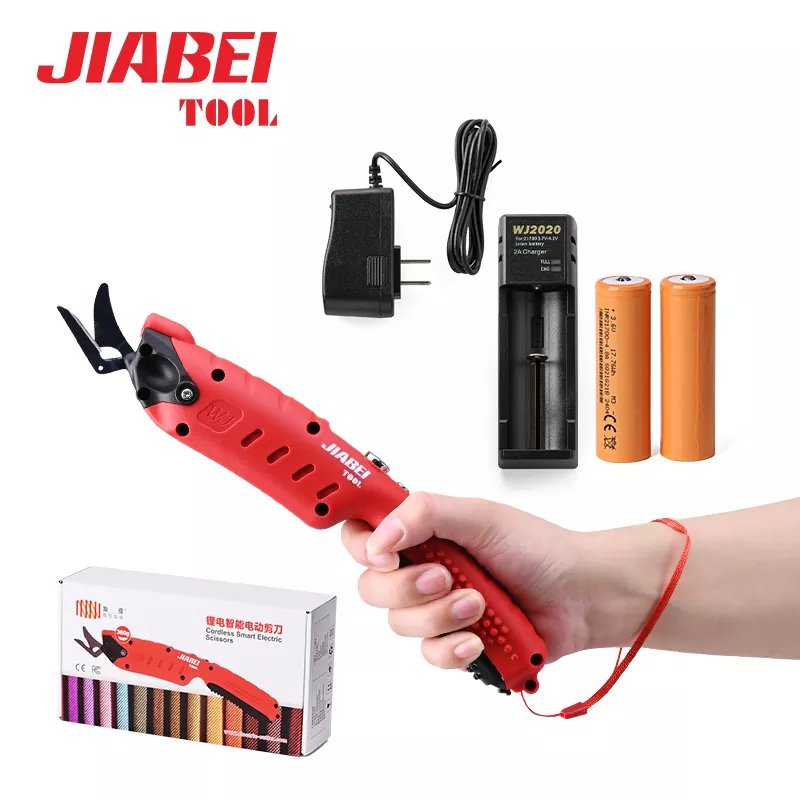
Many cutting tasks look simple until they need to be repeated hundreds of times a day. Manual scissors may work for light household use, but in workshops, studios, production lines, and material processing environments, the pressure quickly becomes obvious. Operators often deal with thick fabric, layered material, synthetic sheets, leather, felt, insulation, or packaging stock that is harder to cut cleanly by hand than it first appears.
The most common pain points usually include the following:
- Hand fatigue after long periods of repetitive cutting
- Uneven edges caused by inconsistent pressure
- Reduced speed when working with thicker or layered materials
- Difficulty maintaining accuracy on curves or detailed shapes
- Higher material waste due to cutting errors
- Lower output when teams rely too heavily on manual tools
These problems do not only affect comfort. They also influence product quality, labor efficiency, and total operating cost. A rough cut edge can create trouble later in stitching, sealing, trimming, assembly, or final presentation. That is why more buyers start looking at Electric Scissors not as a convenience tool, but as a practical answer to repeated cutting challenges.
What makes electric scissors different from manual scissors?
The biggest difference is simple: Electric Scissors use powered blade movement to reduce manual effort while maintaining more stable cutting action. Instead of relying entirely on hand strength, the tool assists the cutting process and helps the user move through material more smoothly.
This difference matters in several ways. First, it lowers physical strain. Second, it improves consistency because the cutting action remains steadier than repeated squeezing by hand. Third, it allows operators to spend more energy on guiding the tool instead of forcing the blades through resistant material.
| Comparison Point | Manual Scissors | Electric Scissors |
|---|---|---|
| Operator effort | High during repeated work | Lower and more manageable |
| Speed | Slower in thicker materials | Faster in continuous cutting tasks |
| Consistency | Depends heavily on user strength | More stable cutting rhythm |
| Suitability for long sessions | Often tiring | Better for frequent daily use |
| Control on difficult materials | Can become uneven | Usually easier to guide |
For buyers comparing tools, this is often the turning point. They are not just buying a powered version of scissors. They are buying a way to cut with less strain and more repeatable results.
Which materials can electric scissors handle well?
One reason Electric Scissors attract attention across industries is their flexibility. Depending on the blade type, motor design, and cutting capacity, they can be used on a wide range of materials. That makes them useful for workshops with mixed orders or businesses that want one cutting tool to support multiple tasks.
Typical application materials may include:
- Textiles and garment fabrics
- Leather and synthetic leather
- Carpet and felt
- Corrugated board and packaging sheet
- Foam and soft insulation materials
- Composite flexible materials
- Rubber-based soft sheet materials
- Nonwoven fabrics and industrial cloth
Of course, buyers should never assume that every model handles every material equally well. Material thickness, density, texture, and layering all matter. A buyer working with thin cloth has a very different requirement from a buyer cutting dense leather or multilayer industrial fabric. This is why it helps to review the intended use first and then match the tool accordingly, rather than choosing only by appearance or price.
How do electric scissors help improve efficiency and cutting quality?
When buyers ask whether Electric Scissors are worth it, the answer usually depends on three things: output volume, quality expectations, and labor strain. If cutting is only occasional, the advantage may feel modest. But when cutting becomes part of daily workflow, the difference becomes much more visible.
Here is how the tool can create practical value:
- Faster processing by reducing resistance and allowing smoother continuous cuts
- Cleaner edges that help later operations such as sewing, bonding, shaping, or packing
- Better repeatability when one operator must cut many similar pieces
- Less fatigue during repetitive work, which supports more stable quality throughout the day
- Lower material loss when better control reduces miscuts and edge damage
In real buying decisions, speed alone is not enough. Many customers care just as much about finish quality. If material edges fray, drift, or deform during cutting, the downstream effect can be expensive. That is why well-matched Electric Scissors can be valuable not only for faster work, but also for smoother production flow from the first cut to the final product.
What should buyers check before choosing electric scissors?
This is the point where many buyers either make a good decision or regret a rushed one. The right model should match the application, not just the catalog description. Buyers who focus only on price often discover later that the tool is uncomfortable, underpowered, or poorly suited to their materials.
Before choosing Electric Scissors, it is useful to check the following factors:
| Selection Factor | Why It Matters |
|---|---|
| Material type | Different materials require different cutting force and blade suitability |
| Material thickness | Cutting capacity should match real daily use, not ideal conditions |
| Frequency of use | Frequent work needs better durability and operator comfort |
| Blade design | Blade structure affects edge quality, speed, and handling |
| Weight and grip | Comfort matters during long sessions or precise cutting tasks |
| Power source | Corded and cordless options suit different work environments |
| Maintenance access | Easy blade replacement and routine care reduce downtime |
For many buyers, a practical supplier discussion helps more than a long feature list. Lishui Jiwu Technology Co.,Ltd. is one of the companies working in this space with attention to application needs, and that matters because buyers often need a clearer fit between material type and cutting tool performance rather than broad generic claims.
Which common buying mistakes should be avoided?
Some buying mistakes happen because the tool looks capable on paper but does not match the real job. Others happen because users underestimate how important ergonomics and maintenance are in everyday work.
The most common mistakes include:
- Choosing by price alone without checking the actual cutting material
- Ignoring long-session comfort and hand positioning
- Assuming one blade setup fits every material equally well
- Buying for maximum power when the real need is clean control
- Overlooking after-sales support, parts access, or blade replacement ease
- Using the tool outside its recommended cutting range
A good purchase is not always the most powerful option. It is the one that solves the job cleanly, safely, and repeatedly. That is why buyers should evaluate Electric Scissors by actual task conditions, including the number of hours used, the types of cuts required, and the skill level of the operator.
How can users maintain electric scissors for better long-term value?
Even a well-chosen tool loses performance if users ignore routine care. The good news is that maintenance for Electric Scissors is usually straightforward when done regularly. A few simple habits can protect cutting quality and extend service life.
Useful maintenance practices include:
- Cleaning blade areas after use to remove dust, fibers, or sticky residue
- Checking blade sharpness before edge quality begins to decline badly
- Inspecting moving parts for wear or looseness
- Using the tool only on suitable materials and within rated limits
- Storing the tool in a dry and clean environment
- Following the operating guide for charging, lubrication, or blade replacement when applicable
For businesses, proper care supports more than tool life. It also protects output stability. A dull or poorly maintained cutter can slow work, damage materials, and frustrate staff. In comparison, a properly maintained tool keeps performance predictable and helps teams work with more confidence.
Why do many buyers look closely at application-based solutions?
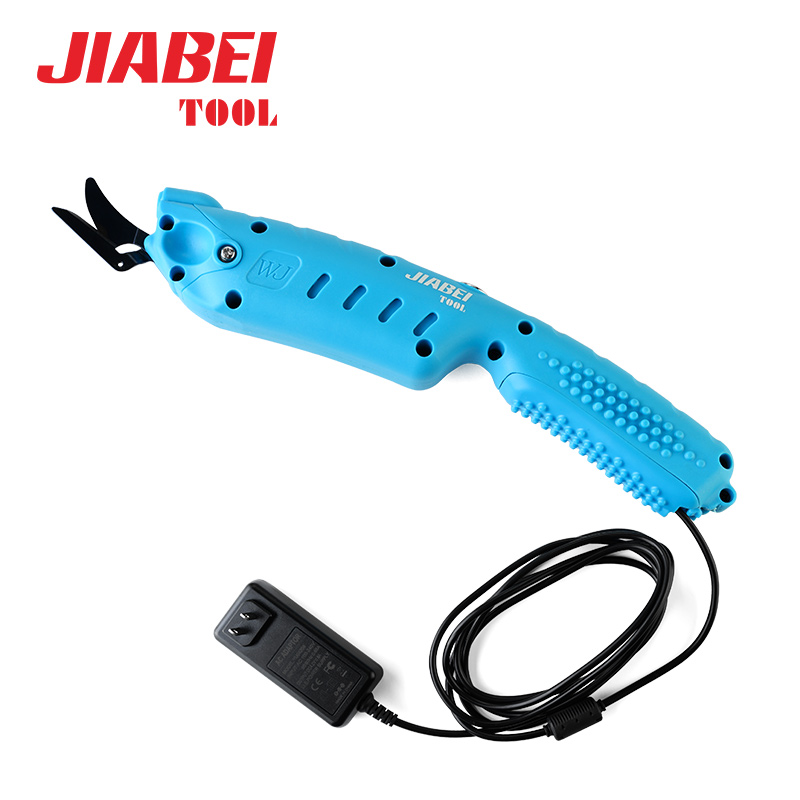
Today, buyers rarely want broad promises. They want to know whether a tool fits their exact material, workflow, and operating conditions. That is why application-based selection has become more important than generic product claims. A textile workshop, a packaging operation, and a leather processing line may all search for Electric Scissors, but they are not looking for the same result.
Some need lightweight handling for continuous trimming. Some need stronger cutting ability for thicker materials. Some care most about reducing hand strain for employees. Others care about neat edges because their products are highly visible to end customers.
When suppliers understand those differences, the buying process becomes more productive. Lishui Jiwu Technology Co.,Ltd. appears in this conversation because buyers often want more than a product page. They want confidence that the tool can align with actual production needs, improve cutting consistency, and support daily efficiency without adding unnecessary complexity.
That is the real value of choosing carefully. The right cutting solution is not just about making a cut. It is about making work easier, cleaner, and more reliable from the first piece to the thousandth.
FAQ
Can electric scissors replace manual scissors completely?
Not always. For light household use or very occasional cutting, manual scissors may still be enough. But for repetitive work, thicker materials, or longer cutting sessions, electric scissors are often the more practical option.
Are electric scissors suitable for fabric only?
No. Depending on the model and blade setup, they can also be used for leather, felt, foam, packaging materials, and other flexible sheet materials. Buyers should still confirm cutting range before purchase.
Do electric scissors help reduce worker fatigue?
Yes. One of the biggest reasons businesses switch to electric scissors is to reduce hand strain during repetitive cutting work. This can help operators maintain steadier performance throughout the day.
What matters more, cutting power or control?
That depends on the task. Thick or layered materials may need stronger cutting ability, but many applications also depend heavily on clean control. A balanced match is usually better than choosing only for maximum power.
How often should blades be checked?
Blade condition should be checked regularly, especially when users notice slower cuts, rougher edges, or more resistance. Early maintenance usually prevents bigger performance problems later.
Is a product page enough to decide which model to buy?
It is a good starting point, but buyers usually make better decisions when they compare the tool against their actual materials, thickness range, and daily workload.
If you are looking for a more efficient way to handle repetitive cutting tasks and want a solution that matches real production needs, Lishui Jiwu Technology Co.,Ltd. is worth exploring further. Whether your priority is smoother edges, lower labor strain, or more reliable output across different materials, the right tool choice can make a visible difference. If you want to discuss your application in detail and find a model that fits your work more precisely, contact us for tailored support.
Previous:No News
Send Inquiry


X
We use cookies to offer you a better browsing experience, analyze site traffic and personalize content. By using this site, you agree to our use of cookies.
Privacy Policy